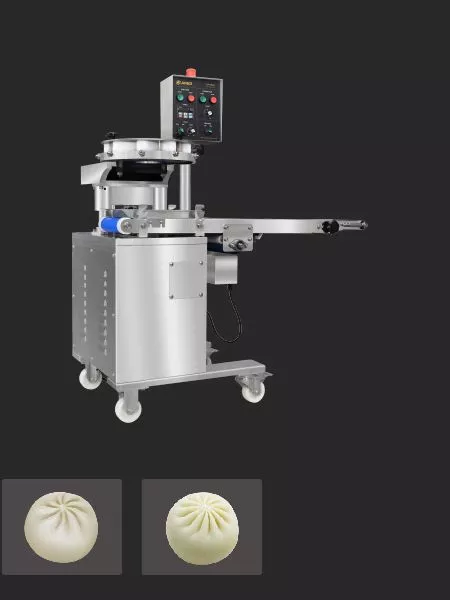


Standardization vs. Handmade: The Winning Strategy for Global Soup Dumpling Expansion
11 Jun, 2026In the global food service market, the competition for Soup Dumpling (Xiao Long Bao) has shifted. It is no longer about the number of handmade folds, but about supply chain stability and factory compliance.
Traditional handmade production has become a bottleneck for brand expansion. High labor costs, quality gaps in overseas management, and strict food safety regulations (such as HACCP) make it difficult to scale. Automation is no longer just a way to replace labor; it is a key strategy to grow your business from a local shop into a national chain.
Overcoming Key Challenges: Technical Upgrades for Soup Dumpling Production
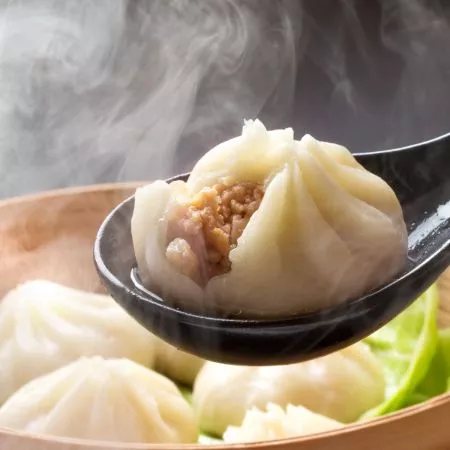
Unlike general forming machines, automated Soup Dumpling equipment must handle complex ingredient requirements. For example, when customers add different ingredients to the dough for a richer texture, the dough often tears or fails to shape properly. Another challenge is the fast-growing chicken Soup Dumpling market; because low-fat chicken breast turns dry after heating, it creates a major technical bottleneck. To solve this, our advanced filling system can infuse a large amount of scallion and ginger water to keep the filling juicy. At the same time, our dough temperature control technology maintains the elasticity of the gluten. Combined with professional adjustments to the jelly emulsification formula, our machines not only completely disprove the bias that "chicken is less juicy than pork," but also consistently deliver the bursting, juicy texture that markets love.
In addition, to meet the cross-state monitoring needs of restaurant chains, modern production equipment has evolved into a "digital brain." With built-in IoT remote monitoring systems, managers can track production rates, motor loads, and error alerts in real time on mobile devices without being on-site. This digital management even extends to predictive maintenance. By using big data to forecast maintenance cycles, we remind customers to replace key consumable parts, such as bearings and molds, before they reach their fatigue limits. This significantly reduces the revenue loss caused by unexpected downtime.
In the food and beverage manufacturing industry, food safety compliance is a must for brand survival. When facing strict hygiene inspections like HACCP, the cleaning speed of the equipment directly determines the factory's labor costs. Our machines feature a full 304 stainless steel design, making the once-time-consuming cleaning process simple and fast. Tests show that a trained operator needs only 30 to 60 minutes to complete a full machine disassembly and deep cleaning.
Strategic Data Analysis: Why Automation is the Only Choice Now?
After solving the "how-to" of technology, business owners must focus on the growth dividends brought by market timing. According to research by Market.us, the global dumpling market is expected to surpass $36.8 billion by 2034, with a compound annual growth rate (CAGR) of 8.4%. Notably, the North American market is seen as a high-growth region, with an estimated CAGR of 14.7%, which is well above the global average. This shows that Asian dumplings are rapidly moving from ethnic markets into the mainstream consumer market.
At the same time, the cultural popularity of Soup Dumpling is rising fast. Google Trends shows that search interest for "Soup Dumpling" in places like New York and California has grown significantly over the past two years, signaling that US demand for high-quality Asian dining is taking shape. From viral Soup Dumpling plush toys on social media to the startup brand MILA successfully entering the US home frozen food market through a DTC (direct-to-consumer) model, it is clear that Soup Dumpling is no longer just a restaurant menu item, but a consumer brand with massive potential to scale.
This trend is also evident in the dine-in market. Din Tai Fung has long maintained high demand with long lines in major US cities. US media has even called Soup Dumpling the "Next Sushi," viewing it as the next representative Asian food to enter the mainstream market.
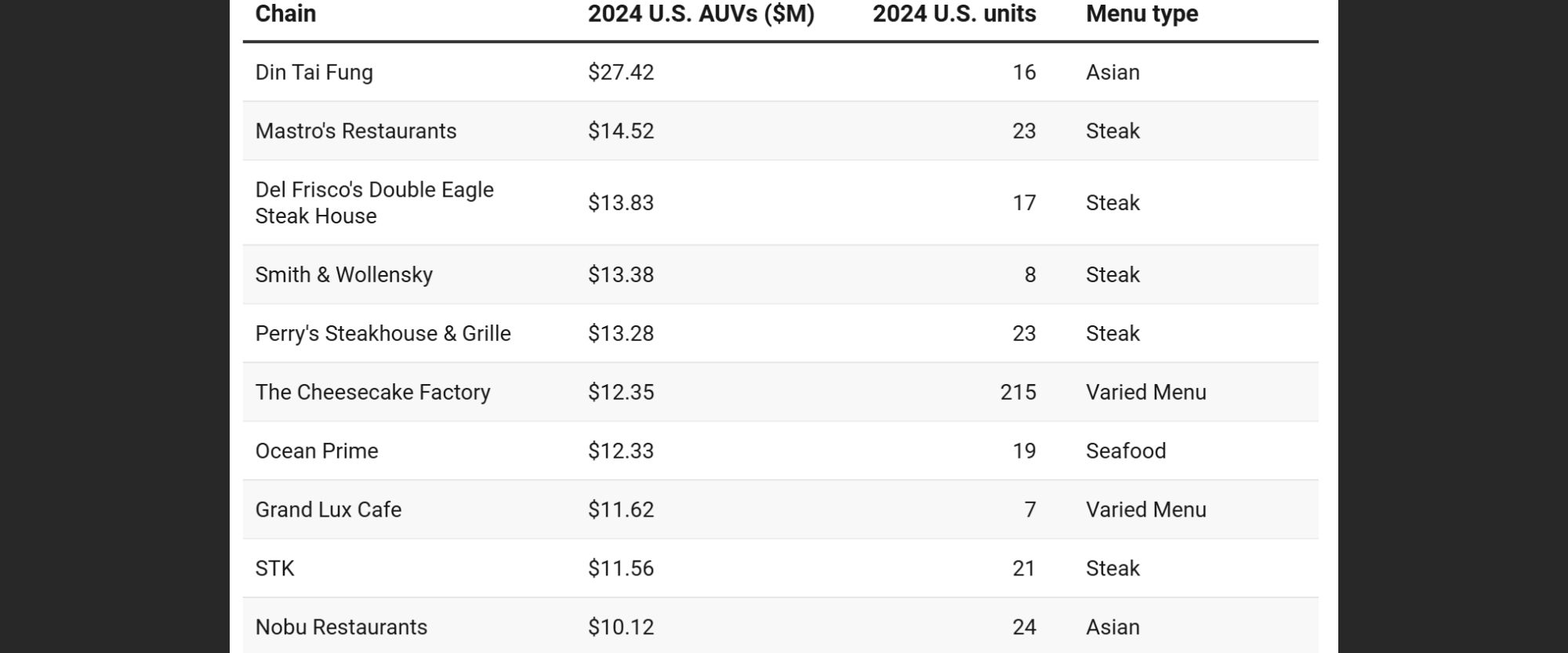
Din Tai Fung's average revenue per location in the US is twice that of the runner-up, the premium steakhouse Mastro's. Data sourced from Restaurant Business.
For mid-sized restaurant groups, when daily demand exceeds 2,000 pieces, the payback period for automated equipment begins to shorten significantly. More importantly, automation is not just about boosting capacity; it is a requirement for brands to enter retail channels and expand across regions. Because handmade production cannot pass the tests of a large-scale supply chain, nor can it maintain stable serving efficiency during peak hours. Through standardization and automation, brands can finally build a repeatable competitive advantage in a fast-growing market.
Common FAQs for Machine-Produced Soup Dumplings
Q: Is the 18-fold rule really necessary?
Visual appeal matters, but dough texture and soup freshness are what keep customers coming back. For automated production, we recommend 9 to 12 folds. This ensures the dough stays strong during freezing and reheating, while easily satisfying over 90% of the mainstream market.
Q: Will automated production make the dough too tough?
It all depends on dough aging and extrusion stress. We use cold-water cooling technology to copy the physical traits of hand-rolled dough. This ensures that when served hot, the texture tastes almost exactly like handmade.
Q: Can the equipment handle exotic flavors like chocolate or black truffle?
Yes. For high-sticky or high-cost fillings, our filling system can handle recipes with pieces. This prevents the ingredients from being crushed and keeps the original texture intact.
Investment Decision Checklist: Is Your Brand Ready to Scale?
Before contacting our technical consultants, you can check these key indicators yourself:
1. Labor Cost Ratio: Do handmade labor costs now make up over 30% of your cost per single item?
2. Regulatory Compliance: Is your current production facility ready to handle future, full-scale USDA inspections?
3. Capacity Ceiling: During weekend peak hours, is your serving speed limited by "handmade production capacity"?
If your answer to all the questions above is "yes," it means traditional production methods can no longer support your brand's ambition. Now is the best time to introduce "standardized food production." Choosing a food machinery partner with global experience and deep roots in the Americas will not only solve your current capacity bottlenecks but also pave the way for your future market expansion. Say goodbye to high wages with no workers to hire! Check out our concept guide on introducing automated Xiao Long Bao equipment to the food and beverage industry. Click the link to see more >
Sources: market.us, RESTAURANT BUSINESS, DATA BRIDGE
More food applications
More food machine introduction
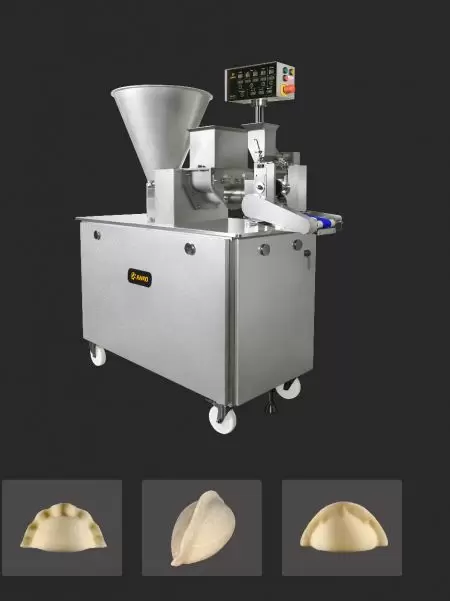
Multipurpose Filling and Forming Machine
- Tasty Appearance as handmade look
- 2,000 - 12,000 pcs/hr
- 13 - 100 g/pc