
ANKO Expert of Food Machine and Production Solution Manufacturer | ANKO FOOD MACHINE CO., LTD.
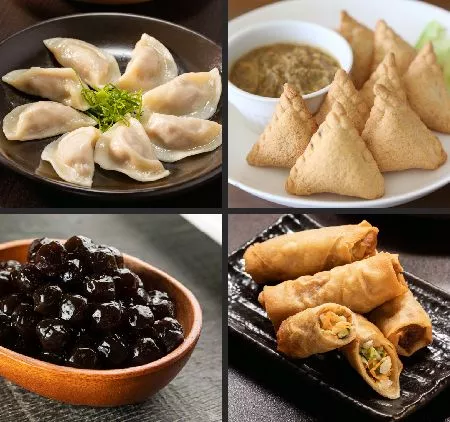
ANKO is a food machine expert. A Food machine, Dumpling Machine, Spring Roll Machine, Tapioca Pearl Machine, Paratha Machine, Empanada Machine, Samosa Machine, Kubba Machine manufacturer from Taiwan. ANKO began by selling frozen food processing equipment . We own 70% of the frozen food processing equipment market in Taiwan and have also sold them to more than 114 countries.

 Download E-Catalog
Food Solutions
Expert of Food Production Planning And Recipe Consultant
No matter you are an owner of a central kitchen, food factory, or emerging cloud kitchen, or an entrepreneur who wants to invest in the food industry, you can have a complete custom-made planning from ANKO's solution. Please click food below to have further information.
ANKO - Expert of Food Machine and Production Line Solutions
Located in Taiwan since 1978, ANKO FOOD MACHINE CO., LTD. is a food machine expert in Food Machinery, Food Machine, Multipurpose Filling and Forming Machine Markets. Main products, including food making machines for dumpling, shumai, spring roll, paratha, pastry sheet, samosa and so forth.
ANKO Food Machine Company is the expert in siomai, wonton, baozi, tapioca pearls, dumpling, spring roll machine and provides consulting services. Expert of Food Machine and Production Line Solutions with more than 46 years of food machine experience for multipurpose filling and forming machine in Taiwan.
ANKO has been offering customers high-quality food machines, both with advanced technology and 48 years of experience, ANKO ensures each customer's demands are met.